
November marks the final chapter of autumn — a transition month when chilly winds signal the coming of winter. Short days, frosty mornings, and bare trees might make the garden look asleep, but this period of rest is vital for renewal. For gardeners across the United States, it’s the time to wrap up essential fall tasks and prepare plants, trees, and tools for the colder months ahead. Here’s your step-by-step guide to getting your garden winter-ready.
Preparing Trees and Shrubs for Winter
If you haven’t finished your fall maintenance in October, November is your last call. Proper preparation now ensures that trees and shrubs stay healthy through freezing temperatures.
- Loosen and aerate the soil around trees and bushes. Closer to the trunk, dig lightly; farther out, turn over larger soil clods to help moisture retention and destroy overwintering pests.
- Remove cracked or dead bark using a scraper, and burn the debris to prevent disease spread.
- Whitewash trunks and lower branches to protect against pests and sunscald during winter thaws.
- Prune or remove diseased plants to stop infections from spreading next spring.
- Cut scions for future grafting once temperatures drop below 55°F but before severe frost sets in.
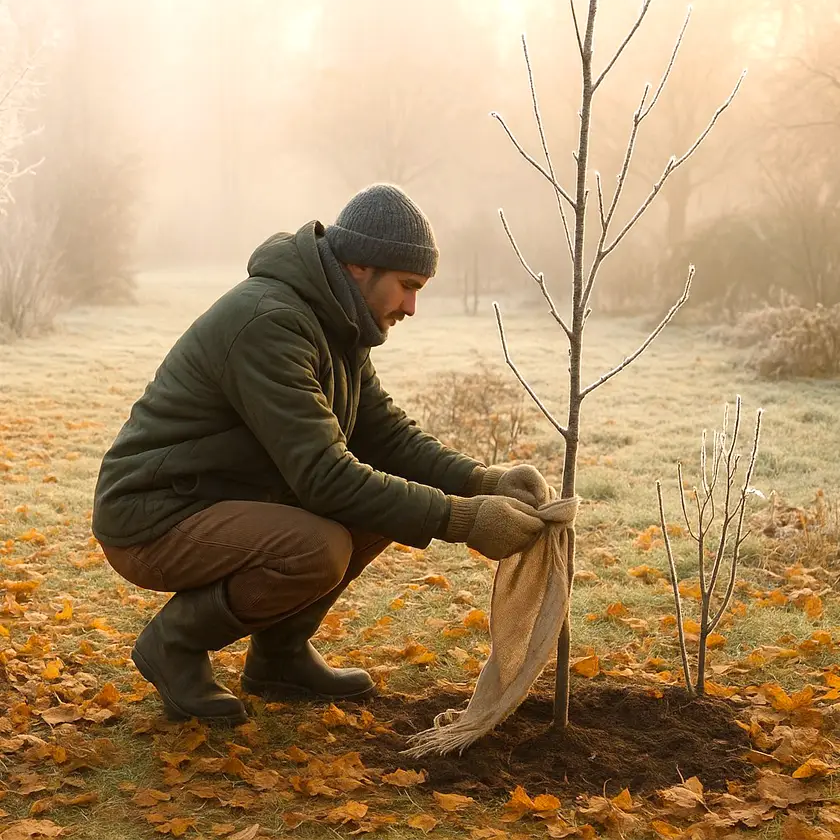
- Protect young trees from rodents by wrapping trunks with burlap, mesh, or plastic guards.
- Tie decorative shrubs like hydrangeas and barberries to prevent branches from breaking under heavy snow (but skip this step for currants).
These tasks will help your garden survive harsh weather and wake up strong and vibrant when spring returns.
Caring for Perennials and Flower Beds
Herbaceous plants and flower beds need special attention in November to avoid frost damage and rot. Here’s what to do:
- Protect alpine and raised flower beds. Add good drainage and cover plants with pine boughs or dry leaves to prevent moisture buildup and freezing.
- Keep rodents away from bulbs by placing traps or repellents, but ensure pets and birds can’t access them.
- Sow annual flower seeds before winter once the ground slightly freezes. Great choices include poppies, larkspur, nigella, and stock.
- Protect lawns. Avoid walking on frozen or waterlogged grass to prevent soil compaction and brown patches next spring.
- Cover early perennials like daisies and pansies with pine branches or snow for natural insulation.
- Check stored bulbs and tubers (like dahlias, gladiolus, and callas) regularly to prevent mold or rot.
- Store collected seeds in a cool, dry place for next season’s planting.
- Prepare rose bushes for winter. Use mulch, sawdust, or fabric covers like agrofiber to protect them from deep freezes — but avoid trapping too much moisture to prevent rot.
Garden Maintenance and Storage Tips
November is also the month to tidy up your garden tools and gear for the season:
- Clean, sharpen, and oil garden tools before storing.
- Drain and store hoses; shut off outdoor faucets to prevent freezing.
- Take inventory of seeds and order new varieties at end-of-season prices.
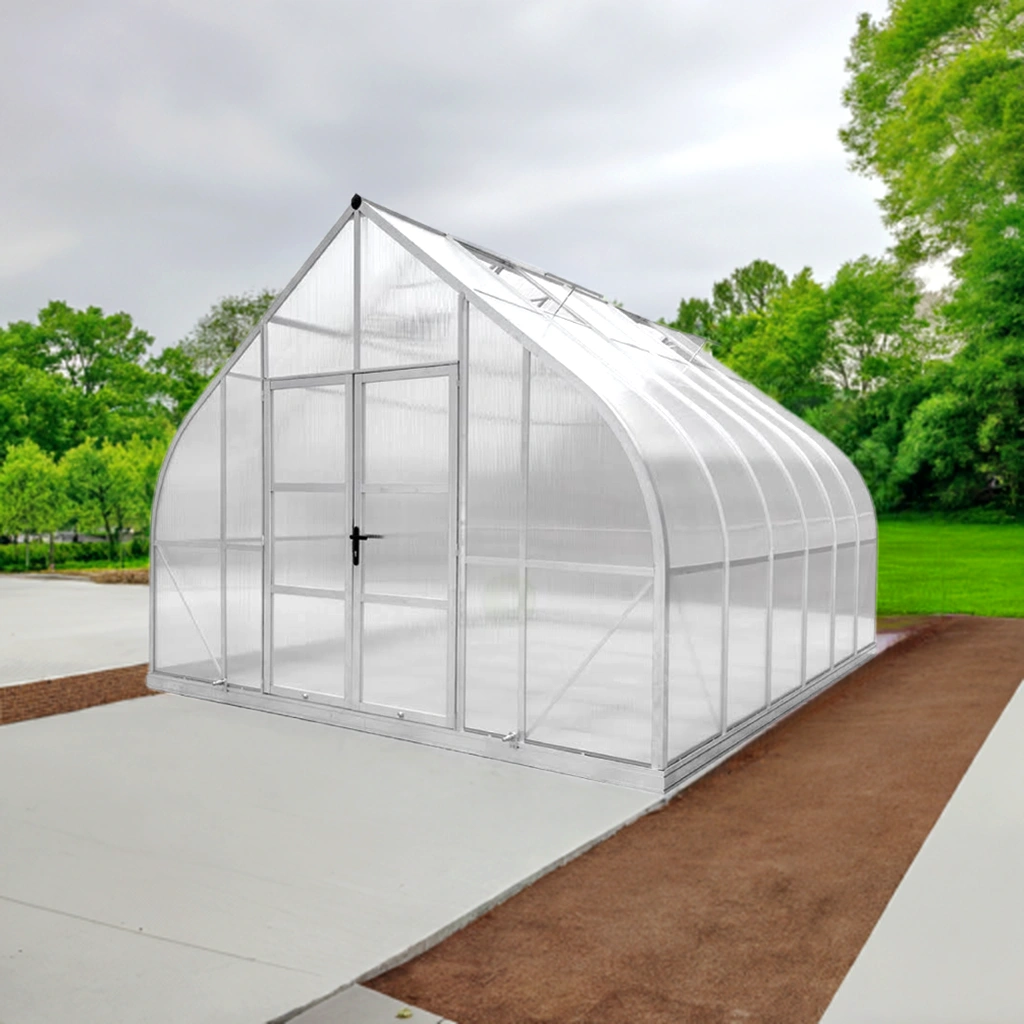
- Inspect your greenhouse or storage shed to ensure it’s dry and well-ventilated.
While November can bring unpredictable weather — from frosty mornings to brief thaws — staying alert and prepared will help your garden rest easy through winter and return stronger in spring.