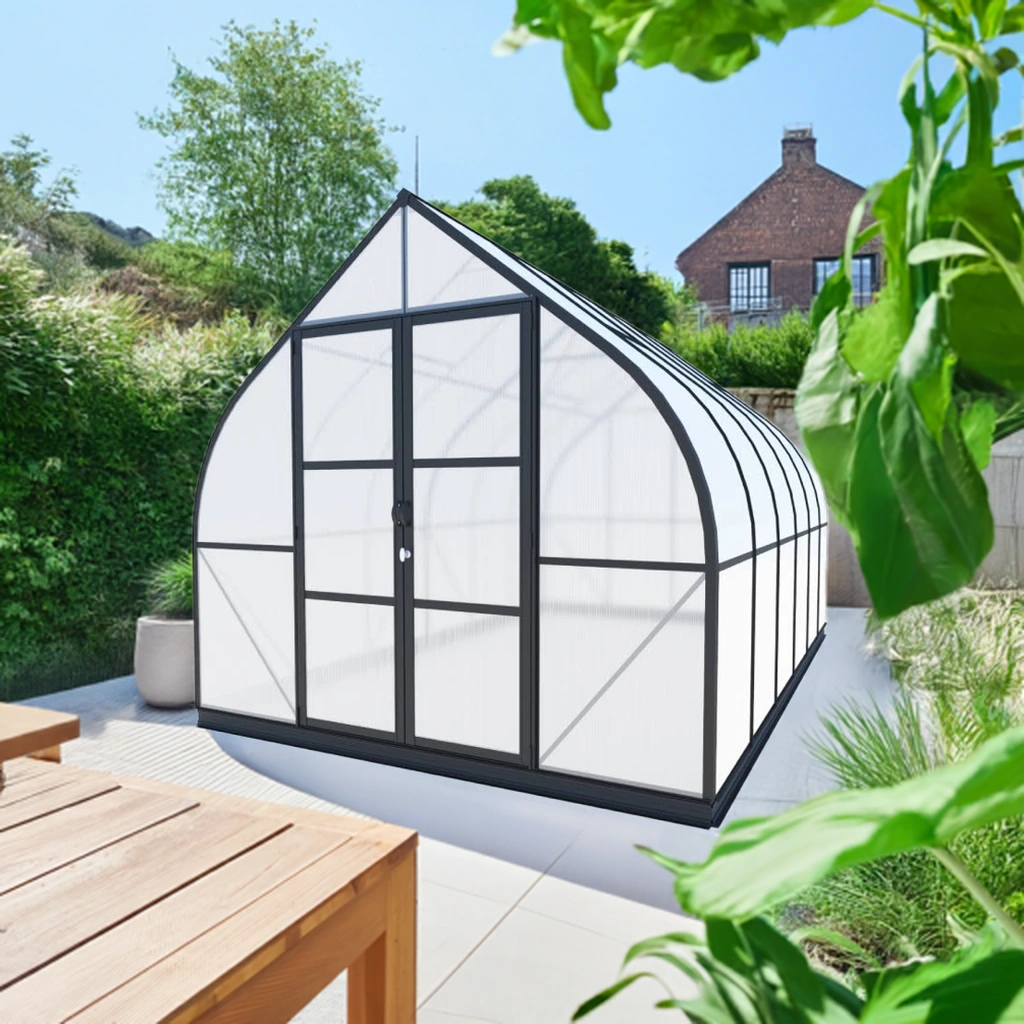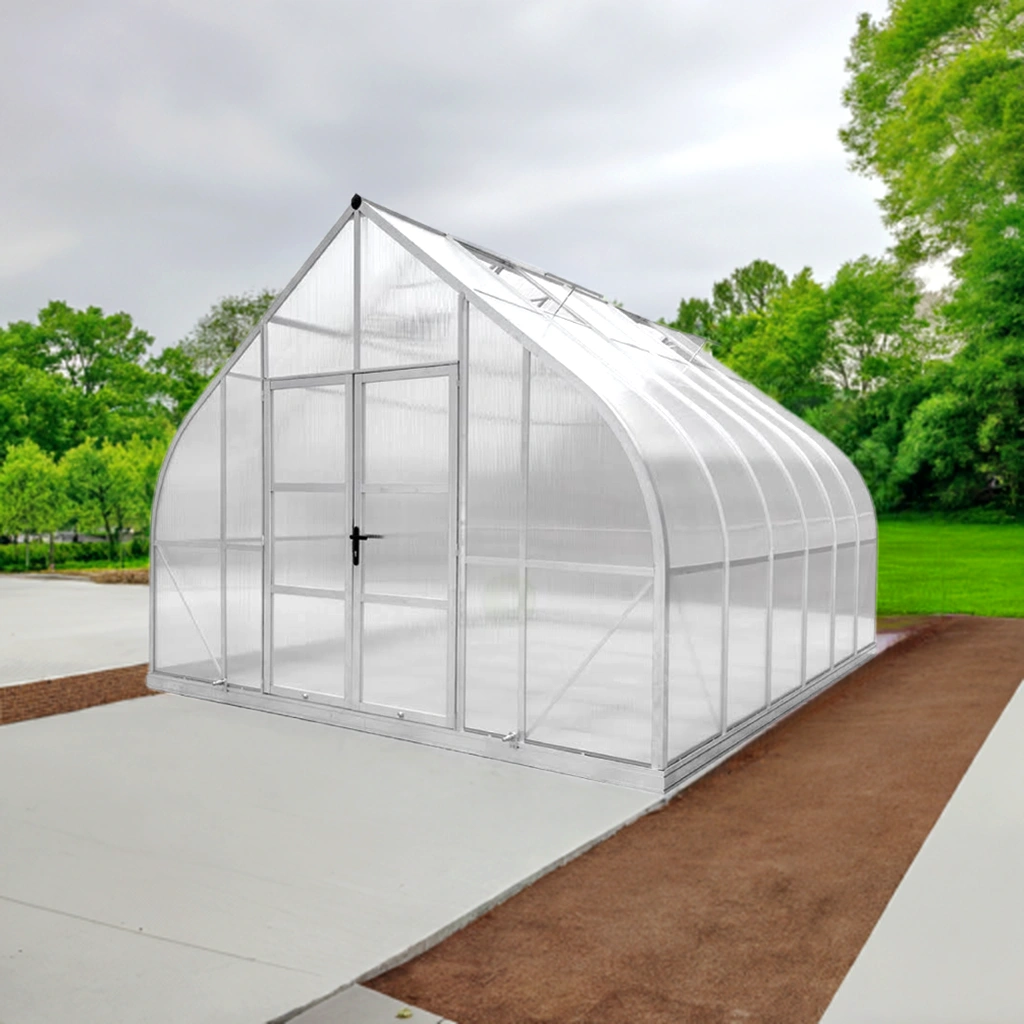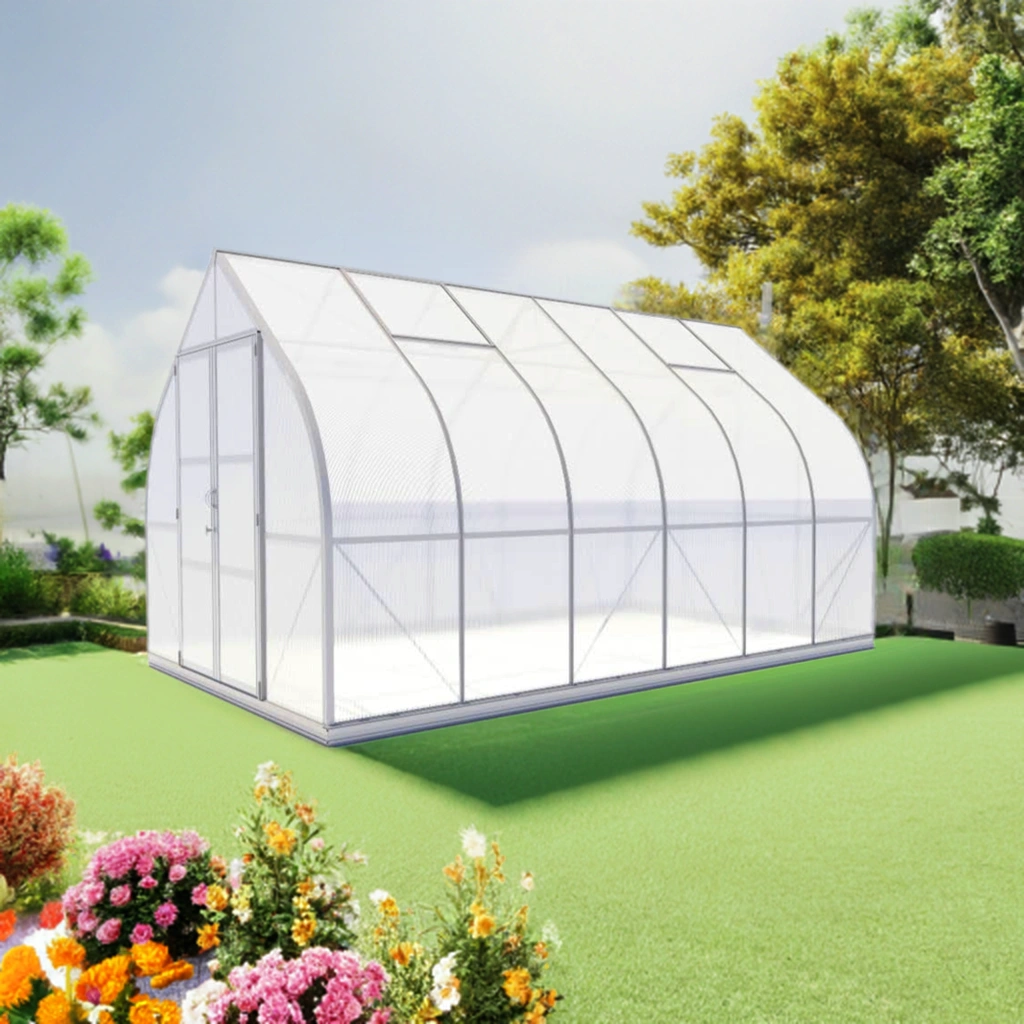

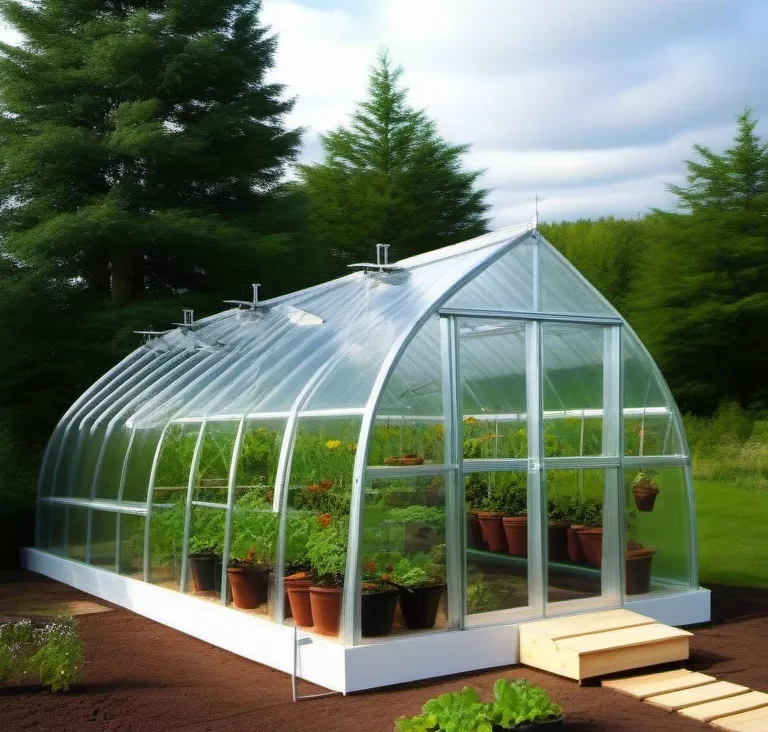
While spring and summer greenhouse gardening is familiar territory for many enthusiasts, what about the cooler months? Your greenhouse isn’t just a seasonal tool; it’s a year-round asset waiting to be maximized. Let’s explore how to keep your green haven productive and enjoyable, no matter the season.
Setting the Stage for Year-Round Success
Before diving into winter wonders, ensure your greenhouse is up to the task. A reliable, sturdy frame is paramount. Ideally, position it on slightly elevated ground with southern exposure to capture maximum sunlight. Insulate the foundation externally, meticulously seal any drafts or cracks, and consider using reflective screens or even a dark, heat-absorbing film to help manage internal temperatures.
The Unheated Greenhouse: A Winter Workhorse
Even without supplemental heating, your greenhouse can be surprisingly productive through winter. Many cold-hardy crops will happily overwinter, providing fresh flavors when the garden outside is dormant:
- Leafy Greens: Think robust varieties of parsley, lettuce, and celery.
- Root Vegetables: Get an early start on carrots, beets, and radishes.
- Alliums: Plant onion sets for early spring green onions.
Beyond edibles, an unheated greenhouse is a perfect sanctuary for:
- Storing Bulbs: Keep hyacinths, crocuses, dahlias, and chrysanthemums safe from harsh freezes.
- Forcing Early Blooms: Come February, encourage early flowering from saffron, iris, and narcissus bulbs.
- Starting Seedlings: Get a jump on spring by sowing seeds of lilies, begonias, gloxinias, and coleus. As spring nears, you can even start legumes, corn, and thyme, ready for transplanting once the weather warms.
Pro Tip: If an unexpected, severe cold snap threatens, quickly cover your plants inside the greenhouse with horticultural fleece or frost cloth for an extra layer of protection.
The Heated Greenhouse: Unlocking Winter’s Full Potential
Introducing heat to your greenhouse transforms it into a veritable winter oasis, opening up a vast array of growing possibilities. After your summer and autumn crops are harvested and the space is cleaned and prepped, the exciting question becomes: what to grow next?
The key is maintaining a stable, suitable temperature. Many plants will struggle, cease development, or fail to fruit if temperatures consistently dip below 60°F (around 15°C).
With consistent warmth, a polycarbonate greenhouse becomes a haven for:
- Warm-Season Favorites: Imagine harvesting fresh cucumbers and tomatoes even as snow falls outside!
- Year-Round Greens: Keep a steady supply of your favorite lettuces and herbs.
- Vibrant Flowers: Brighten gray winter days with colorful blooms.
- Ambitious Delights: Some dedicated gardeners even coax winter strawberries into fruiting—a challenging but incredibly rewarding endeavor.
For an easier, yet still satisfying, winter harvest in a heated space, focus on less demanding greens:
- Dill: This herb craves light. Sow seeds directly into the soil every few weeks for a continuous supply.
- Green Onions: A straightforward choice. Amend your soil, plant your sets, water well, and you could be harvesting within a month.
- Lettuce Varieties: Head, leaf, and other varietal lettuces thrive in the controlled environment. They’ll appreciate rich soil, temperatures around 65-68°F (18-20°C), supplemental lighting if natural light is limited, and consistent moisture.
From Hobby to Hustle: The Commercial Angle
Beyond personal enjoyment, a modern, reliable polycarbonate greenhouse can even become a source of income. If you’re considering growing for market, it’s crucial to meticulously calculate your potential costs: energy for heating and lighting, planting materials, fertilizers, water, and pest control.
What’s in demand during winter?
- Fresh Greens: Green onions, parsley, dill, lettuce, mint, and basil are consistently sought after and are relatively unfussy to grow.
- Niche Crops: Some growers find success with mushrooms.
- The Flower Market: Cut flowers or potted blooming plants can be a particularly profitable venture, brightening homes during the darker months.
Ultimately, your greenhouse is a versatile space. With a little planning and the right approach, it can provide you with fresh food, beautiful flowers, or even a business opportunity, all year long.